
Estimated reading time: 7 minutes
Key Takeaways
- Investors face new volatility as event risk challenges the market’s upward momentum.
- Major indices, including the S&P 500, Dow Jones, and Nasdaq, have reached historic peaks.
- Unforeseen events can trigger sudden price swings and investor uncertainty.
- Proactive risk management strategies can help mitigate potential market disruptions.
Table of contents
Introduction
Recent weeks have witnessed a remarkable surge in global markets, with the S&P 500 reaching 6,033.11, the Dow Jones Industrial Average surpassing 42,500, and the Nasdaq approaching the 19,700 mark. This impressive rally has been driven by easing oil prices, positive corporate earnings, and expectations of potential Federal Reserve policy shifts. Yet, beneath this optimism lurks an unpredictable influence: event risk, an unforeseen catalyst capable of upending the bullish mood and stoking market volatility.
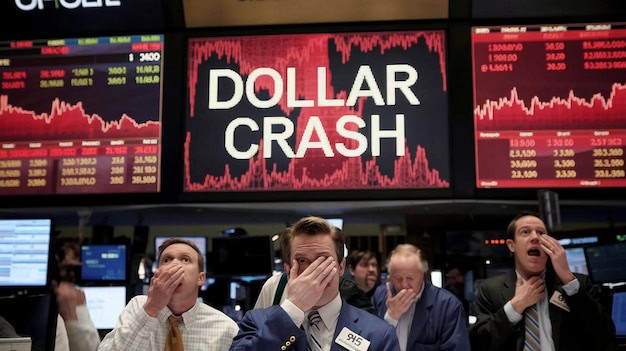
Event risk is defined by sudden incidents that can alter market dynamics in an instant. When these events strike, the market’s momentum can reverse, forcing investors to reassess their positions. Whether in the form of geopolitical tensions, abrupt policy changes, or surprise data releases, event risk underscores how critical it is for market participants to remain vigilant.
Overview of the Current Market Rally
The historic climb in stock indices has been accompanied by robust trading volumes and heightened liquidity, signaling strong investor participation. Key factors fueling this rally include strong corporate earnings across various sectors, ongoing mergers and acquisitions, and elevated consumer spending in regions such as China. Many analysts also point to the prospect of a shift in Federal Reserve monetary policy, which is widely believed to be supportive of higher equity valuations.
As one strategist aptly put it, “Investors are buying into the notion that accommodative policies and global economic resilience can support prolonged market gains.” Yet history has shown that unforeseen developments can quickly alter market sentiment, making it imperative to remain prepared for potential shocks.
Impact of Event Risk on Financial Markets
Event risk encompasses a range of unpredictable triggers, from sudden geopolitical conflicts to unexpected corporate developments. When these events materialise, the immediate effects often manifest in:
- Heightened volatility, as traders rapidly adjust positions
- Potential for swift sell-offs or price spikes
- Shifts in investor sentiment based on perceived risk
Recent headlines, such as the escalating conflict in certain global regions, demonstrate how quickly market landscapes can change. Defence stocks, for instance, declined sharply despite generally positive market conditions, reflecting the investment community’s rapid re-pricing of embedded risks.
Investor Sentiment and Confidence
In today’s environment, cautious optimism best describes prevailing investor sentiment. Traders and portfolio managers remain alert to how event risk might disrupt otherwise supportive fundamentals. Volatility can be sparked by sudden announcements, ranging from executive orders to high-profile corporate surprises, creating a climate of unpredictability.
Because market valuations rest on forward-looking expectations, any shock event that significantly alters economic or geopolitical assumptions can quickly weigh on confidence, triggering liquidations and capital outflows in search of safer havens.
Share Price Impact and Earnings Surprises
Earnings season always brings the potential for unexpected developments, but in volatile periods amplified by event risk, the stakes are considerably higher. A positive surprise can send a stock soaring, as was the case when a biotech firm’s shares jumped by 35% on news of a supportive merger agreement. Conversely, a single negative headline can trigger a dramatic fall in share prices, particularly for companies in sensitive sectors.
The combination of lofty valuations and event risk means that earnings releases are scrutinised more heavily than ever. Companies missing targets or delivering tepid guidance may face pronounced selling pressure, regardless of otherwise strong fundamentals.
Market Indicators: Trading Volume and Liquidity
Trading volume and market liquidity often serve as early warning indicators of impending volatility. When significant volume spikes coincide with a sudden rally or decline, it suggests that institutional funds are making large, coordinated moves. This can foreshadow:
- A potential continuation of rally momentum
- An abrupt shift in trend if negative catalysts arise
Close monitoring of volume and liquidity can give investors early clues to market sentiment turns, helping them position portfolios accordingly.
Risk Management Strategies for Investors
To contend with market uncertainty, prudent investors employ robust risk management frameworks. Diversification across various sectors, setting stop-loss orders, and maintaining sufficient liquidity buffers are all essential tactics. Some also adopt hedging strategies or dynamic portfolio rebalancing to respond swiftly to sudden stressors in the market.
These approaches are designed to reduce overall exposure to wild price swings. By limiting downside risk, capital can be preserved for opportune moments when the market overreacts, permitting investors to purchase undervalued assets at discounted prices.
Potential Market Catalysts
Several looming developments could either solidify or disrupt the current rally:
- Corporate earnings from industry leaders
- Central bank announcements and revised interest rate forecasts
- Geopolitical flare-ups that amplify uncertainty
- Economic data surprises, particularly from major economies
When these catalysts intersect with an already volatile environment, market moves can be swift and dramatic, elevating both opportunity and risk for active investors.
Expert Analysis and Insights
Analysts caution that vigilance is crucial in the face of global uncertainties. The balance between bullish market narratives and ominous news flows can shift rapidly. “The market can turn on a dime when event risk rears its head,” notes one seasoned fund manager. Such shifts underscore the importance of watching macroeconomic indicators, monitoring corporate fundamentals, and implementing tactical risk controls.
In many cases, experts advise investors to avoid reactionary trading and rely instead on a well-structured plan. By combining disciplined investment approaches with vigilant monitoring of news and data, it becomes easier to capitalise on the market’s short-term dislocations while staying aligned with longer-term objectives.
Conclusion
As major indices continue to climb, the spectre of event risk serves as a reminder that markets are never immune to sudden shocks. Investors who appreciate this dynamic can limit their vulnerability to abrupt downturns and remain poised to seize potential bargains during periods of heightened volatility. Consistent, systematic risk management strategies, bolstered by a clear understanding of valuation metrics, can provide a measure of stability in an otherwise unpredictable environment.
In an era where headlines can overshadow fundamentals at any moment, a blend of caution and conviction is essential. With the right portfolio allocations and safeguards in place, investors can navigate these choppy waters and still participate in the market’s upward trajectory.
FAQs
What exactly is event risk?
Event risk refers to unforeseen occurrences that can abruptly alter market dynamics, such as geopolitical conflicts, major corporate announcements, or regulatory changes. These events often lead to higher volatility and rapid shifts in investor sentiment.
How does it threaten a market rally?
Even a strong market rally can be derailed if news triggers widespread uncertainty or panic. Investors who are overly bullish may exit positions quickly when risk events surface, causing sudden price drops and heightened volatility.
Which sectors are most impacted by event risk?
All sectors can be affected, but those highly sensitive to geopolitical shifts, supply chain disruptions, or regulatory changes—like energy, defense, and technology—tend to experience sharper price swings.
Is it possible to predict event risk?
While no one can predict every event, staying informed about geopolitical tensions and macroeconomic indicators can help investors anticipate potential triggers. However, the inherent unpredictability of these incidents is what makes them so impactful.
What strategies help mitigate these risks?
Diversification, disciplined portfolio rebalancing, using hedging instruments, and maintaining liquidity to act on unexpected opportunities are commonly used strategies to reduce potential downside from unforeseen events.





